Fire Blankets
High-performance fire blankets made from flame-resistant materials, designed to extinguish small fires immediately by depriving the fire of oxygen. Ideal for homes, kitchens, factories, and laboratories.
What is a fire blanket?
An essential safety tool no facility should be without
A fire blanket is a safety tool made from fire-resistant materials and designed to extinguish small fires by cutting off their oxygen supply. When placed over a fire, the blanket smothers the flames and prevents them from spreading, allowing the fire to go out.
Fire blankets have evolved over more than a century, from simple wool blankets soaked with water to modern fiberglass designs that withstand temperatures above 1000°F. Today they are a standard item in commercial kitchens worldwide and are becoming increasingly popular in homes.
Unlike fire extinguishers, fire blankets do not require training to be used effectively. You simply pull the tabs to release the blanket, cover the fire completely, and wait. This simplicity makes them ideal for emergency use by almost anyone.

How do you use a fire blanket?
7 simple steps to memorize before an emergency happens
Pull
Pull the tabs firmly downward to release the blanket from its container
Wrap your hands
Wrap your hands with the blanket edges to protect them from heat
Approach
Approach the fire slowly while staying low, using the blanket as a shield
Spread
Lay the blanket over the fire from the near side to the far side until it is fully covered
Seal
Seal all edges to cut off the fire's oxygen supply
Wait
Wait at least 30 minutes before removing the blanket
Call
Call emergency services even if the fire appears to be out

Common mistakes to avoid
Types of fire blankets
Not all fire blankets are equal. The material determines the level of performance.
Fiberglass
Ideal for home kitchens and general use. The best-value choice for households.
Silicone-coated
For workshops, grills, and commercial use. Higher heat resistance.
Aramid fiber
For industrial use and welding operations. Maximum thermal resistance.
Electric vehicle blankets
For containing and suppressing electric vehicle and lithium battery fires.
Who uses fire blankets?
Fire protection wherever you need it

Homes
Every kitchen should have a fire blanket within easy reach near the stove.
Restaurants and commercial kitchens
Required by fire regulations in most jurisdictions.
Laboratories
Provide immediate response to chemical fires and personal protection during evacuation.
Schools and universities
Useful in science labs, home economics rooms, and cafeteria kitchens.
Mobile homes and boats
Compact spaces with cooking facilities make fire blankets ideal.
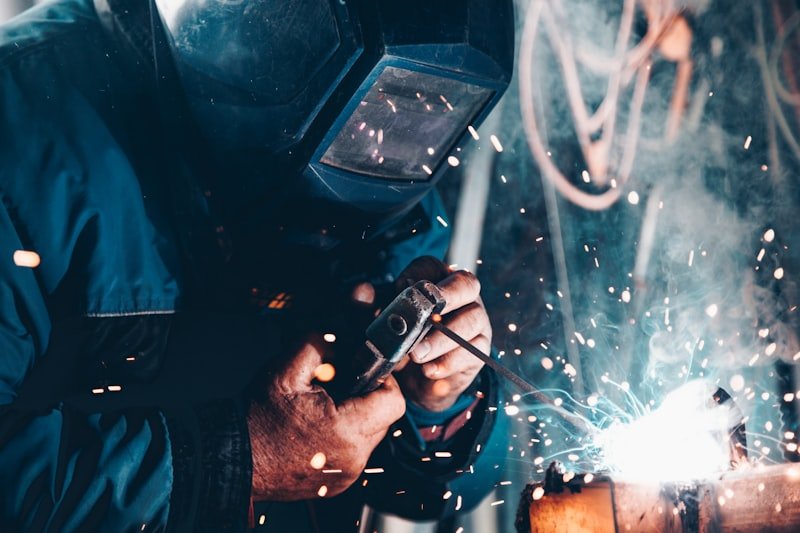
Welding and fabrication workshops
Sparks and hot metal create ongoing fire risk. Blankets suppress fires quickly.
Factories
Protect equipment and personnel in high-risk industrial environments.
Fuel stations
Immediate fire response in environments handling flammable materials.
Hospitals
Patient and staff safety in environments that require the highest safety standards.
Specifications and certifications
Certified to the highest international standards
Where should you place a fire blanket?
Strategic placement ensures fast access in emergencies

Kitchen (primary location)
- About 3 metres from the stove
- Not directly above the stove because heat rises
- At eye level for easy access
- Away from likely ignition sources
Garage / workshop
- Close to the workbench
- Away from flammable materials
- A silicone-coated blanket is recommended
- A larger size (47"×47" or larger)
Near the grill
- In a weather-resistant container
- Close enough for quick access
- Not too close to the grill itself
- A standard size (39"×39") is sufficient
Mobile homes / boats
- Near the cooking area
- Securely mounted to prevent movement
- Compact storage pouch
- Make sure all occupants know where it is
Fire blanket maintenance
One of its biggest advantages: it is almost maintenance-free

Quarterly inspection checklist
- Check the condition of the case or pouch
- Ensure the pull tabs remain accessible
- Look for any contamination such as oil or dust buildup
- Check that the blanket has not been tampered with
- Confirm the mounting hardware is secure
Do fire blankets expire?
High-quality fire blankets do not have a specific expiry date. However, most manufacturers recommend replacement after 5-7 years, or immediately if you notice any damage.
After use
If the fire blanket was used on a large fire, replace it. The fiberglass may have melted or been damaged. For very minor use, inspect it carefully before reusing it.
Common myths about fire blankets
Let us correct a few common misunderstandings
Fire blankets only work on small fires
Fire blankets work on any fire they can fully cover. A standard 1 m × 1 m blanket handles most stovetop and pan fires effectively.
Fire blankets are single-use only
Blankets used on small fires may be reusable if they were not damaged. Always inspect them after use.
Fire extinguishers are always better
For grease fires and small kitchen fires, fire blankets are often safer and more effective. They do not spread grease and do not leave a mess.
Fire blankets expire quickly
High-quality fire blankets last 5-7 years or more without maintenance. They do not lose pressure and do not require recharging like extinguishers.
Frequently asked questions about fire blankets
Answers to your most important questions
What are fire blankets used for?
Fire blankets are used to extinguish small fires by smothering them and cutting off the oxygen supply. They are ideal for kitchen fires, grease fires, clothing fires, and other small contained fires. They are especially effective for cooking oil fires where water is dangerous.
Are fire blankets better than fire extinguishers?
Each serves a different purpose. Fire blankets are better for small fires, grease fires, and clothing fires. They require no training, create no mess, and do not expire. Fire extinguishers are better for larger fires. Most homes benefit from having both.
How long do fire blankets last?
High-quality fire blankets last 5-7 years or more when stored correctly. Unlike fire extinguishers, they do not require annual servicing or recharging. Inspect your blanket every quarter for any damage.
Can a fire blanket be reused?
Blankets used on small fires may be reusable if they were not damaged. However, blankets used on large fires should be replaced because the fiberglass may have melted or weakened.
What size fire blanket is appropriate?
For home kitchens, a standard 1 m × 1 m (39"×39") blanket is sufficient for most stovetop fires. Larger blankets (4'×6' or 6'×8') are recommended for workshops, garages, and commercial kitchens.
Are fire blankets internationally certified?
Yes. Our blankets are certified to EN 1869:2019 (European), UL 94-2016 V-0 (American), and AS/NZS 3504:2006 (Australian/New Zealand) standards. Do not buy a blanket without these certifications.
Warning: never put water on grease fires!

Water turns to steam instantly when it hits hot oil (above 175°C), causing a violent steam explosion that sprays burning oil in every direction. For this reason, a fire blanket, not water, is the correct response to a grease fire.
🛡️ Protect your home and facility today
Internationally certified fire blankets. Your safety deserves the best.